
 Image 1 of 1
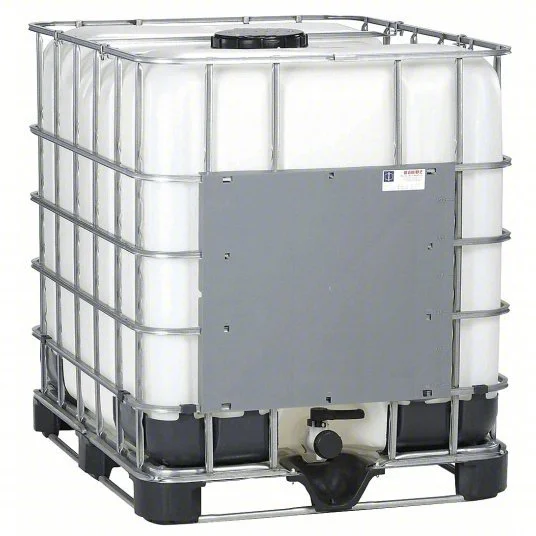
BioProbiotic Tote - Poultry Culture - ORGANIC - Poultry & Hogs
1 Tote equals 275 gallons of microbial boosted probiotic and will treat:
1,100 tons of poultry feed for poultry and hogs
1 quart per 1 ton of feed
*FREE SHIPPING*
HOW IT WORKS
Bio Probiotic™ for poultry is the same as for hogs except there is a microbial boost to control e-coli, salmonella, and Avian Flu.
It introduces powerful beneficial microorganisms into the digestive system, creating a natural defense system that:
Outcompetes harmful pathogens
Enhances digestion and nutrient absorption
Strengthens immune response
Promotes consistent growth and performance
➡️ Healthy gut = healthy animal
POULTRY PROBIOTICS BENEFITS USING LACTIC ACID GROUPS OF MICROORGANISMS
The lactic culture groups in our cultured probiotics do many amazing things. The first thing to thank them for is pathogenic control. Lactic cultures are the guys that can quickly kill toxin producing organisms. When they are equipped with the right nutrients they can kill these disease-causing organisms in as little as 24 hours.
There is a constant influx of pathogens into livestock and poultry barns. If we can get the beneficial organisms topped off and running the show, they will prevent the pathogens from gaining a foothold. Sickness wastes an incredible amount of animal energy, which then needs to be replaced. If we eliminate the pathogens that cause the sickness, that energy is now available for the animal’s growth and production.
Here is the SHORT list of benefits from the lactic groups:
Lives in the GI tract, preventing pathogens / disease causing organisms from flourishing (e.g. listeria, E Coli, Clostridium Botulinum, Salmonellas which are now ALL antibiotic resistant)
Creates a healthy barrier in the colon. Stops dangerous bacteria from penetrating the lining of the intestines and entering into the blood stream
Reverses Irritable Bowel symptoms
Eases symptoms of Crohns disease
Helps heal Colitis
Is resistant to most antibiotics, which is why we see it still working when antibiotics are used
Lessen the effects of the use of antibiotics
Resists chemotherapeutics
Preserves critical nutrients and vitamins, and acts as an antioxidant improves the composition of LDL (which you need, but in lower amounts) post-prandial lipids
Remarkable anti-atherogenic effects
Produces L Lysine Amino Acids (this is rare)
Highly effective in preventing soy-related allergies (immunoreactivity)
Improves liver status, reduction of mucosal inflammation
Assists cholesterol metabolism
Suppresses gram negative Enterococci, Shigella, and Staphylacoccus
Contains NO TRANSFERABLE RESISTANT GENES
Resistance to glycopeptide vancomycin, to tetracycline, erthromycin resistance plasmids
Ability to ferment sugar substances into lactic acid, D lactate, L lactate
Improves animal performance
Reduces growth of yeasts, inhibitory to molds
Survives gastrointestinal transit, being resistant to bile, low pH, digestiveenzymes
Reduces intestinal pain in animals
Effective against both Salmonella typhimurium and Campylobacter jejuni
Improves bowel regularity
Has a preventative effect against traveler’s diarrhea, as well as antibiotic related bowel issues
Produces vitamin K, lactase, bacteriocins, such as acidolin, acidophilin and lactocidin
Has the potential to reduce risk of coronary heart disease by up to 10% via serum cholesterol concentration
Induces uopioid and canabiniod receptors in the intestines of animals
Produces enzymes, amylase, protease, produces antibiotic and fungicide to control pathogens
Ferocious warriors in the army of advantageous microbes maintaining micro-flora balance in the intestine
Bolsters the immune system
Aids in digestion
Controls allergic diseases
Cancer prevention
Converts nitrates (NO3) into nitrites (NO2) reduces toxic effects
Produces important B complex vitamins
AND THEY ARE JUST PLAIN CUTE!
In addition to these benefits, there are many more that we haven't even learned yet. With all of these benefits from just one probiotic group, it is easy to see why our probiotic cultures containing multiple groups are so effective at improving livestock health and preventing disease.
1 Tote equals 275 gallons of microbial boosted probiotic and will treat:
1,100 tons of poultry feed for poultry and hogs
1 quart per 1 ton of feed
*FREE SHIPPING*
HOW IT WORKS
Bio Probiotic™ for poultry is the same as for hogs except there is a microbial boost to control e-coli, salmonella, and Avian Flu.
It introduces powerful beneficial microorganisms into the digestive system, creating a natural defense system that:
Outcompetes harmful pathogens
Enhances digestion and nutrient absorption
Strengthens immune response
Promotes consistent growth and performance
➡️ Healthy gut = healthy animal
POULTRY PROBIOTICS BENEFITS USING LACTIC ACID GROUPS OF MICROORGANISMS
The lactic culture groups in our cultured probiotics do many amazing things. The first thing to thank them for is pathogenic control. Lactic cultures are the guys that can quickly kill toxin producing organisms. When they are equipped with the right nutrients they can kill these disease-causing organisms in as little as 24 hours.
There is a constant influx of pathogens into livestock and poultry barns. If we can get the beneficial organisms topped off and running the show, they will prevent the pathogens from gaining a foothold. Sickness wastes an incredible amount of animal energy, which then needs to be replaced. If we eliminate the pathogens that cause the sickness, that energy is now available for the animal’s growth and production.
Here is the SHORT list of benefits from the lactic groups:
Lives in the GI tract, preventing pathogens / disease causing organisms from flourishing (e.g. listeria, E Coli, Clostridium Botulinum, Salmonellas which are now ALL antibiotic resistant)
Creates a healthy barrier in the colon. Stops dangerous bacteria from penetrating the lining of the intestines and entering into the blood stream
Reverses Irritable Bowel symptoms
Eases symptoms of Crohns disease
Helps heal Colitis
Is resistant to most antibiotics, which is why we see it still working when antibiotics are used
Lessen the effects of the use of antibiotics
Resists chemotherapeutics
Preserves critical nutrients and vitamins, and acts as an antioxidant improves the composition of LDL (which you need, but in lower amounts) post-prandial lipids
Remarkable anti-atherogenic effects
Produces L Lysine Amino Acids (this is rare)
Highly effective in preventing soy-related allergies (immunoreactivity)
Improves liver status, reduction of mucosal inflammation
Assists cholesterol metabolism
Suppresses gram negative Enterococci, Shigella, and Staphylacoccus
Contains NO TRANSFERABLE RESISTANT GENES
Resistance to glycopeptide vancomycin, to tetracycline, erthromycin resistance plasmids
Ability to ferment sugar substances into lactic acid, D lactate, L lactate
Improves animal performance
Reduces growth of yeasts, inhibitory to molds
Survives gastrointestinal transit, being resistant to bile, low pH, digestiveenzymes
Reduces intestinal pain in animals
Effective against both Salmonella typhimurium and Campylobacter jejuni
Improves bowel regularity
Has a preventative effect against traveler’s diarrhea, as well as antibiotic related bowel issues
Produces vitamin K, lactase, bacteriocins, such as acidolin, acidophilin and lactocidin
Has the potential to reduce risk of coronary heart disease by up to 10% via serum cholesterol concentration
Induces uopioid and canabiniod receptors in the intestines of animals
Produces enzymes, amylase, protease, produces antibiotic and fungicide to control pathogens
Ferocious warriors in the army of advantageous microbes maintaining micro-flora balance in the intestine
Bolsters the immune system
Aids in digestion
Controls allergic diseases
Cancer prevention
Converts nitrates (NO3) into nitrites (NO2) reduces toxic effects
Produces important B complex vitamins
AND THEY ARE JUST PLAIN CUTE!
In addition to these benefits, there are many more that we haven't even learned yet. With all of these benefits from just one probiotic group, it is easy to see why our probiotic cultures containing multiple groups are so effective at improving livestock health and preventing disease.