
 Image 1 of 1
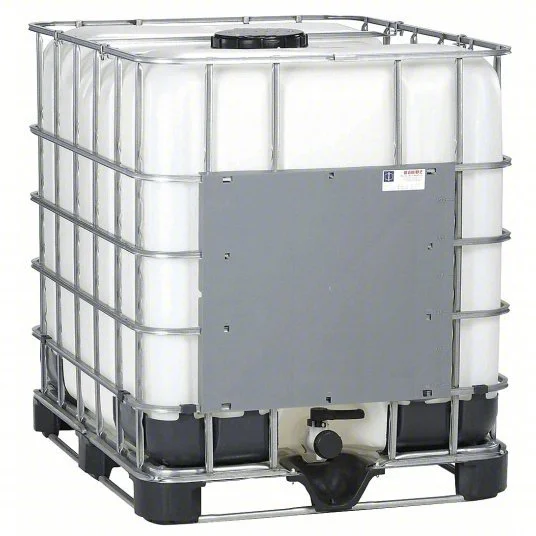
BioProbiotic Tote - Livestock Culture - ORGANIC - Hogs and Cattle
What If PRRS Isn’t the Real Problem?
Why PRRS and PEDV Keep Coming Back to U.S. Pig Farms
Every year, pork producers across the United States fight the same battle.
PRRS (Porcine Reproductive and Respiratory Syndrome) continues to cost the industry an estimated $1.2 billion annually.
PEDV (Porcine Epidemic Diarrhea Virus) can devastate a herd, sometimes causing losses approaching $500,000 in as little as 10 weeks, depending on herd size.
Vaccines improve. Biosecurity improves. Management improves.
Yet the diseases keep coming back.
So producers are left asking an important question:
Are we fighting the wrong battle?
The Real Battlefield Is the Gut
The digestive tract is the largest immune organ in the animal’s body.
Inside the GI tract lives a complex ecosystem of microorganisms—some beneficial and some harmful. When beneficial microbes dominate, they help protect the animal by:
• Competing with harmful pathogens
• Producing natural antimicrobial compounds
• Strengthening the immune response
• Supporting digestion and nutrient absorption
But when the microbial balance is disturbed, pathogens gain the advantage.
Modern Production Has Changed the Microbial Environment
Today’s pork production system is highly efficient—but it has also created new biological pressures on livestock.
High-density animal housing allows pathogens to move quickly once introduced.
Modern crop production practices often place stress on plants through chemical inputs used to control weeds and pests.
When plants are stressed, the nutrient flow to the grain can be reduced, which may affect the nutritional strength of feed ingredients like corn and soybeans.
The result can be a production environment where animals face:
• Higher disease pressure
• Nutritional challenges
• Increased environmental stress
Antibiotics Are No Longer the Complete Answer
For decades, antibiotics have been used to control disease in livestock.
But the industry is now facing a major challenge:
Many intestinal pathogens have developed resistance to antibiotics.
Even more important, antibiotics are non-selective, meaning they destroy beneficial microorganisms along with harmful ones.
When beneficial microbes disappear, pathogens can quickly fill the void.
A Biological Solution That Works With Nature
For over 20 years, Bio Mineral Technologies has researched and developed microbial solutions designed to restore balance to the digestive system.
The goal is simple:
Establish strong populations of beneficial microbes that outcompete and suppress pathogenic organisms.
When beneficial microorganisms dominate the GI tract, they help:
• Reduce pathogen populations
• Support immune function
• Improve feed efficiency
• Promote stronger overall animal health
Introducing Bio Probiotic
Bio Probiotic delivers beneficial anaerobic microorganisms directly into the digestive system, helping restore the microbial balance animals need to stay healthy and productive.
Application
Feed:
1 quart per ton of feed
Water:
1 ounce per 128 ounces of water
In most operations, feed application provides the most consistent delivery.
Strengthen the Microbial Balance — Strengthen the Animal
The most effective way to control disease pressure may not be attacking pathogens alone.
It may be creating an environment inside the animal where pathogens simply cannot dominate.
Healthy microbial populations in the GI tract help animals:
• Resist disease challenges
• Maintain stronger immune systems
• Improve feed conversion
• Perform more consistently under stress
The Future of Swine Health Is Biological
Instead of constantly reacting to disease outbreaks, producers can focus on strengthening the biological foundation of the herd.
When beneficial microbes dominate the digestive system, pathogens lose their advantage.
That is the power of microbial balance.
What If PRRS Isn’t the Real Problem?
Why PRRS and PEDV Keep Coming Back to U.S. Pig Farms
Every year, pork producers across the United States fight the same battle.
PRRS (Porcine Reproductive and Respiratory Syndrome) continues to cost the industry an estimated $1.2 billion annually.
PEDV (Porcine Epidemic Diarrhea Virus) can devastate a herd, sometimes causing losses approaching $500,000 in as little as 10 weeks, depending on herd size.
Vaccines improve. Biosecurity improves. Management improves.
Yet the diseases keep coming back.
So producers are left asking an important question:
Are we fighting the wrong battle?
The Real Battlefield Is the Gut
The digestive tract is the largest immune organ in the animal’s body.
Inside the GI tract lives a complex ecosystem of microorganisms—some beneficial and some harmful. When beneficial microbes dominate, they help protect the animal by:
• Competing with harmful pathogens
• Producing natural antimicrobial compounds
• Strengthening the immune response
• Supporting digestion and nutrient absorption
But when the microbial balance is disturbed, pathogens gain the advantage.
Modern Production Has Changed the Microbial Environment
Today’s pork production system is highly efficient—but it has also created new biological pressures on livestock.
High-density animal housing allows pathogens to move quickly once introduced.
Modern crop production practices often place stress on plants through chemical inputs used to control weeds and pests.
When plants are stressed, the nutrient flow to the grain can be reduced, which may affect the nutritional strength of feed ingredients like corn and soybeans.
The result can be a production environment where animals face:
• Higher disease pressure
• Nutritional challenges
• Increased environmental stress
Antibiotics Are No Longer the Complete Answer
For decades, antibiotics have been used to control disease in livestock.
But the industry is now facing a major challenge:
Many intestinal pathogens have developed resistance to antibiotics.
Even more important, antibiotics are non-selective, meaning they destroy beneficial microorganisms along with harmful ones.
When beneficial microbes disappear, pathogens can quickly fill the void.
A Biological Solution That Works With Nature
For over 20 years, Bio Mineral Technologies has researched and developed microbial solutions designed to restore balance to the digestive system.
The goal is simple:
Establish strong populations of beneficial microbes that outcompete and suppress pathogenic organisms.
When beneficial microorganisms dominate the GI tract, they help:
• Reduce pathogen populations
• Support immune function
• Improve feed efficiency
• Promote stronger overall animal health
Introducing Bio Probiotic
Bio Probiotic delivers beneficial anaerobic microorganisms directly into the digestive system, helping restore the microbial balance animals need to stay healthy and productive.
Application
Feed:
1 quart per ton of feed
Water:
1 ounce per 128 ounces of water
In most operations, feed application provides the most consistent delivery.
Strengthen the Microbial Balance — Strengthen the Animal
The most effective way to control disease pressure may not be attacking pathogens alone.
It may be creating an environment inside the animal where pathogens simply cannot dominate.
Healthy microbial populations in the GI tract help animals:
• Resist disease challenges
• Maintain stronger immune systems
• Improve feed conversion
• Perform more consistently under stress
The Future of Swine Health Is Biological
Instead of constantly reacting to disease outbreaks, producers can focus on strengthening the biological foundation of the herd.
When beneficial microbes dominate the digestive system, pathogens lose their advantage.
That is the power of microbial balance.